
Schneider Electric Electrical Wires & Cables on Powermatic Associates
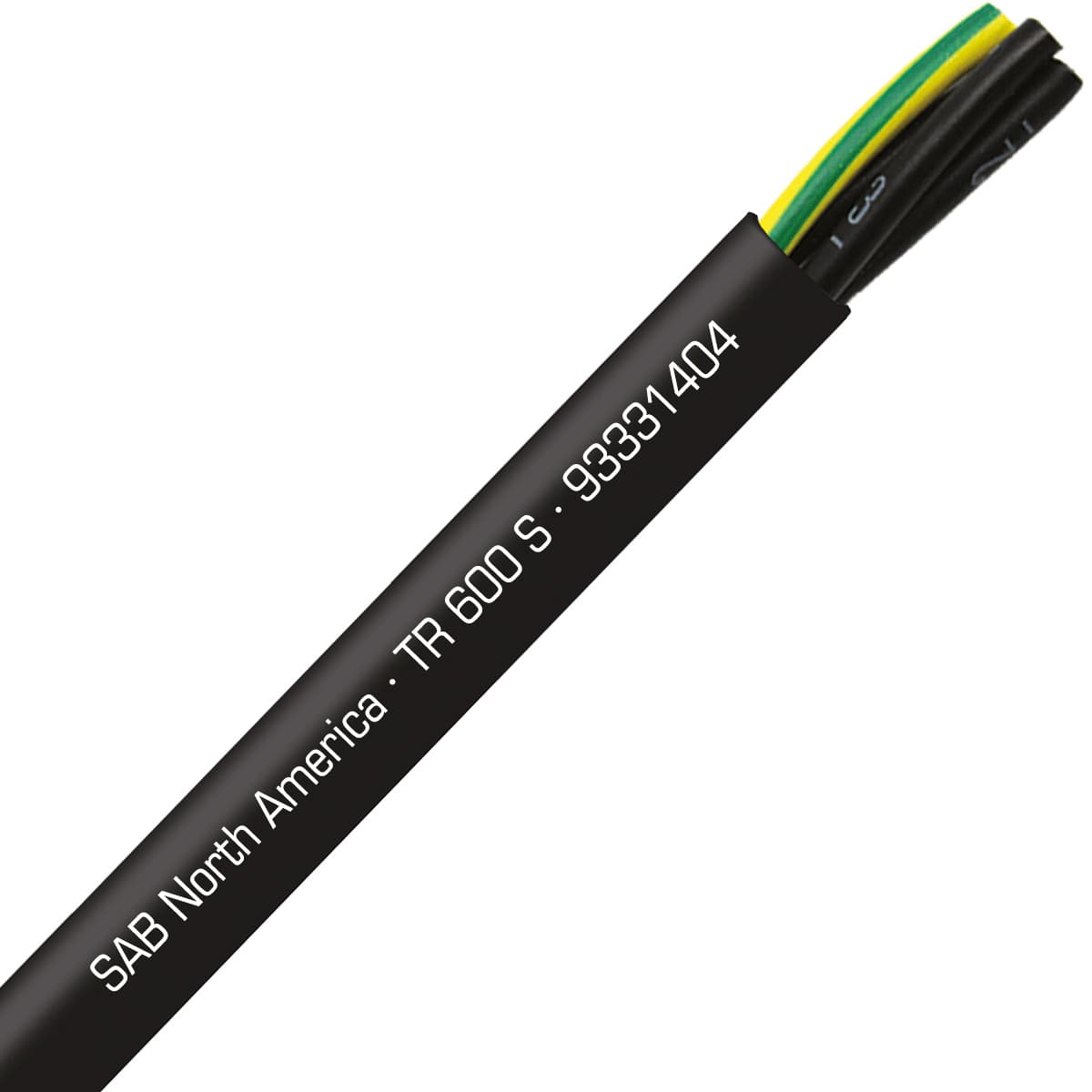

Electrical Wires & Cables- Schneider Electric
Electrical wires and cables serve to establish electrical connections between switches, outlets, appliances, and more in homes, businesses, and industrial environments.
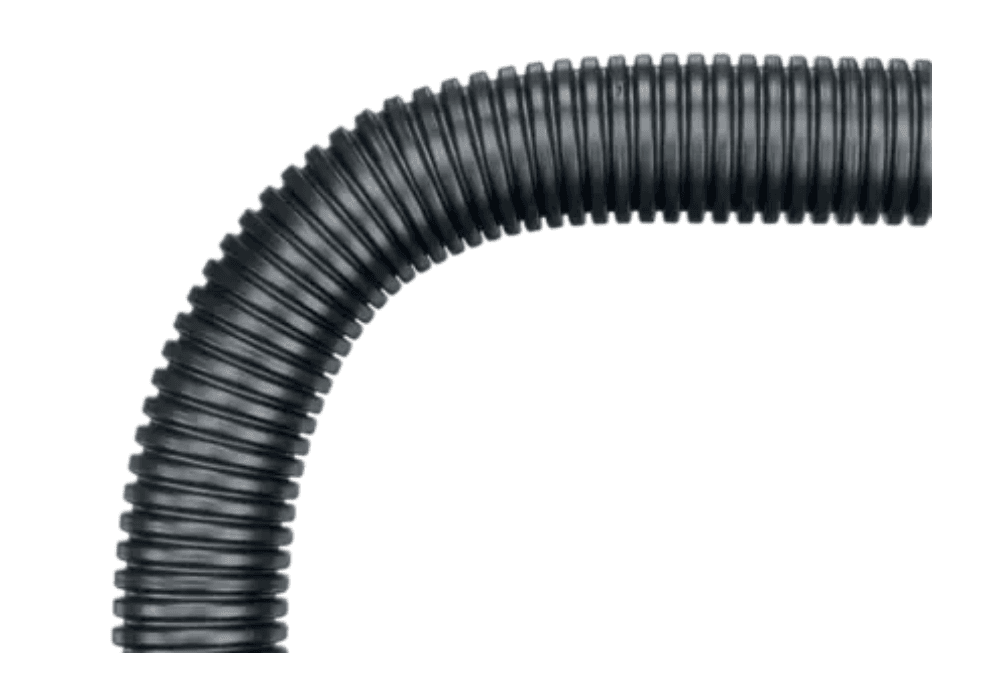
Electrical Conduit
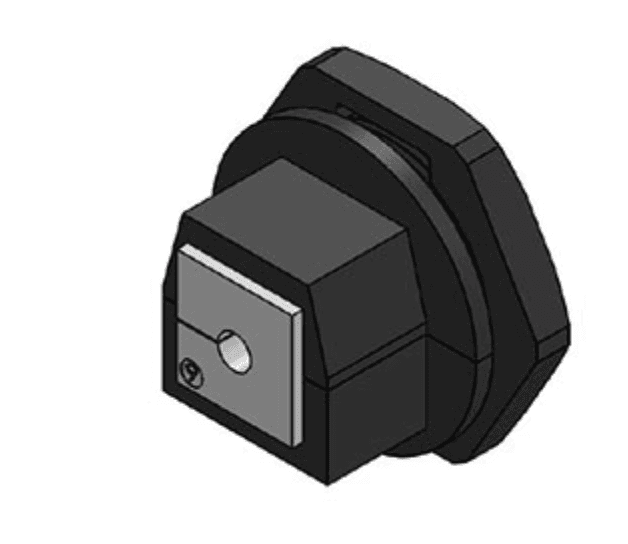
Cable Entry Plates & Cable Glands
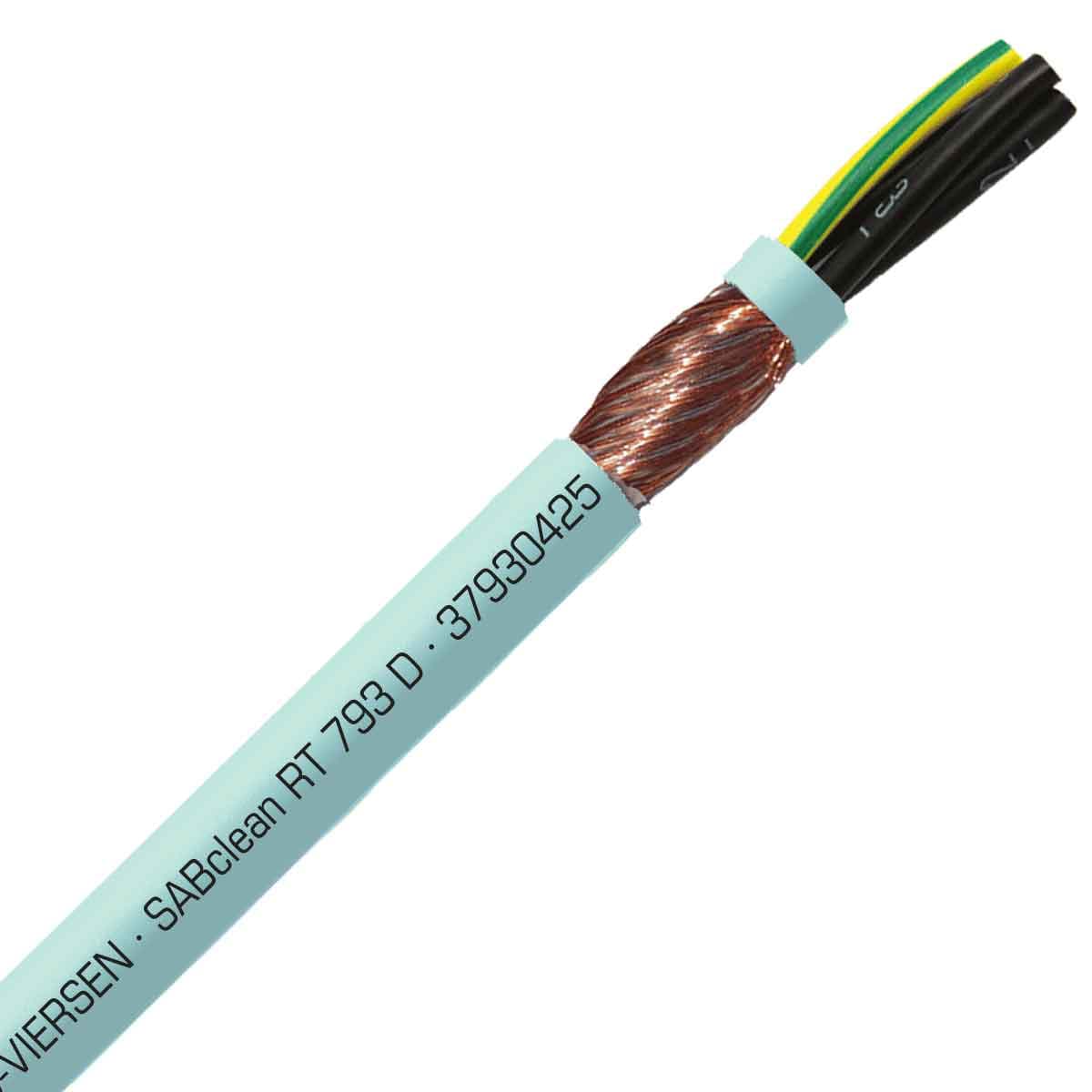
Torsional Cables
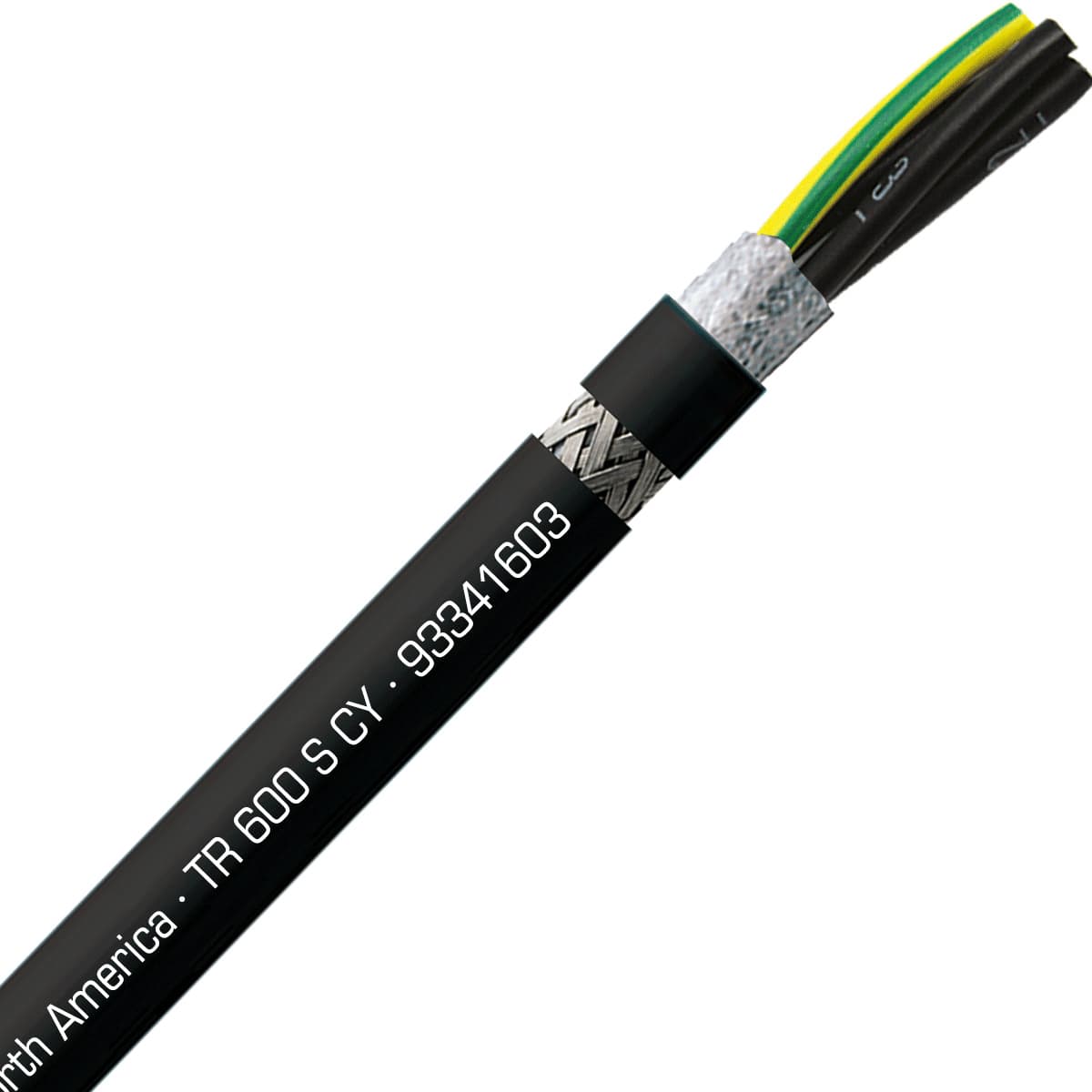
Tray Cables
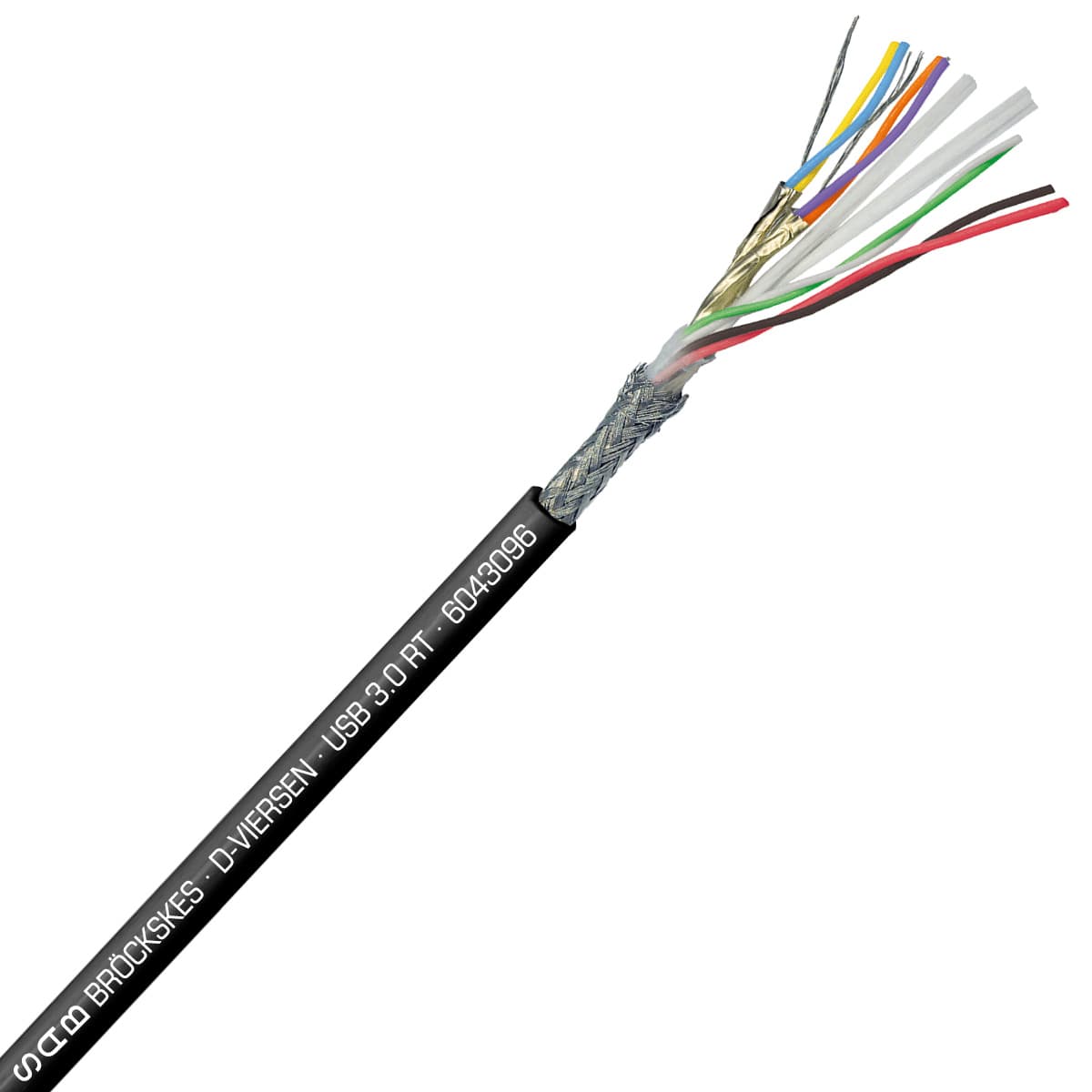
USB Cables
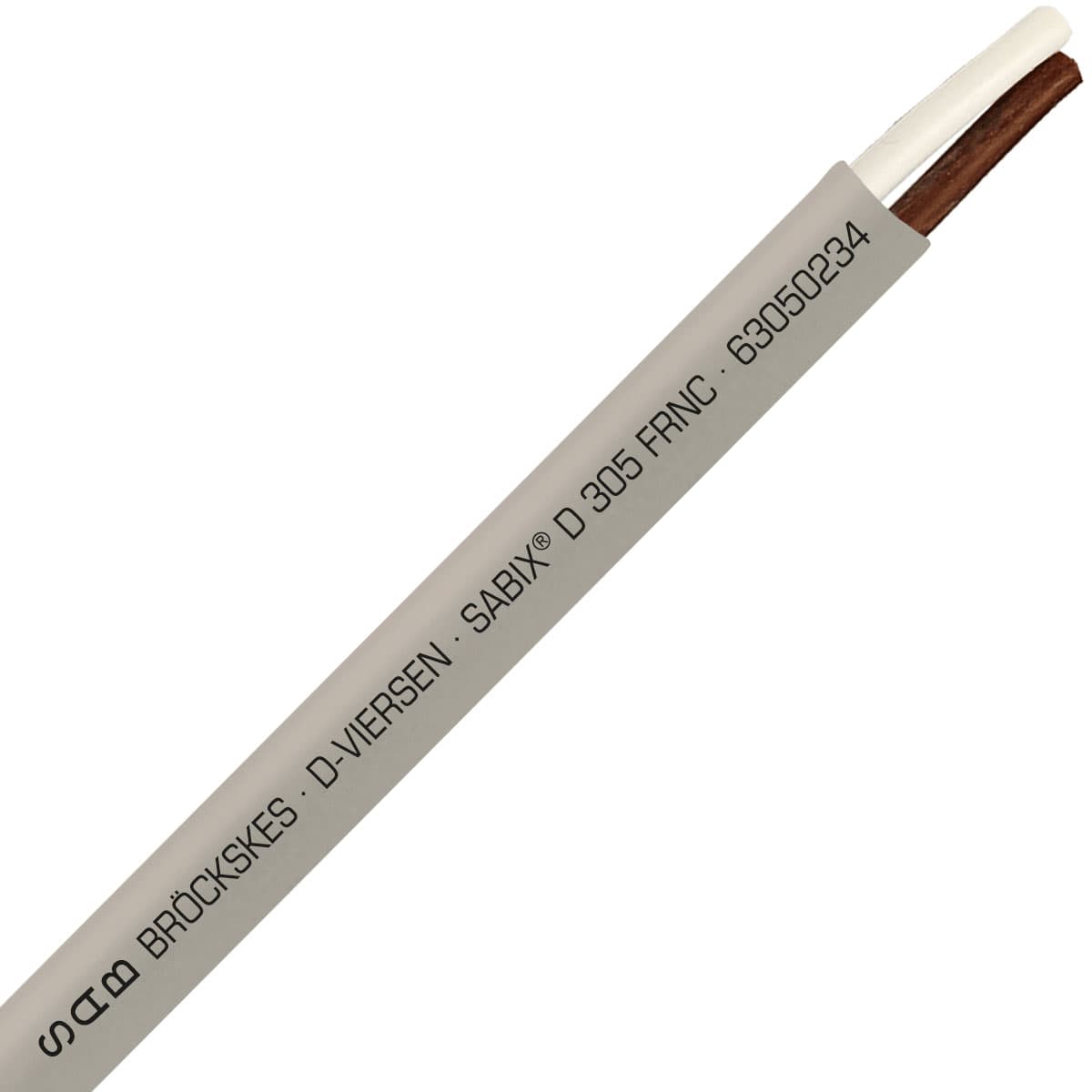
Halogen Free Cables
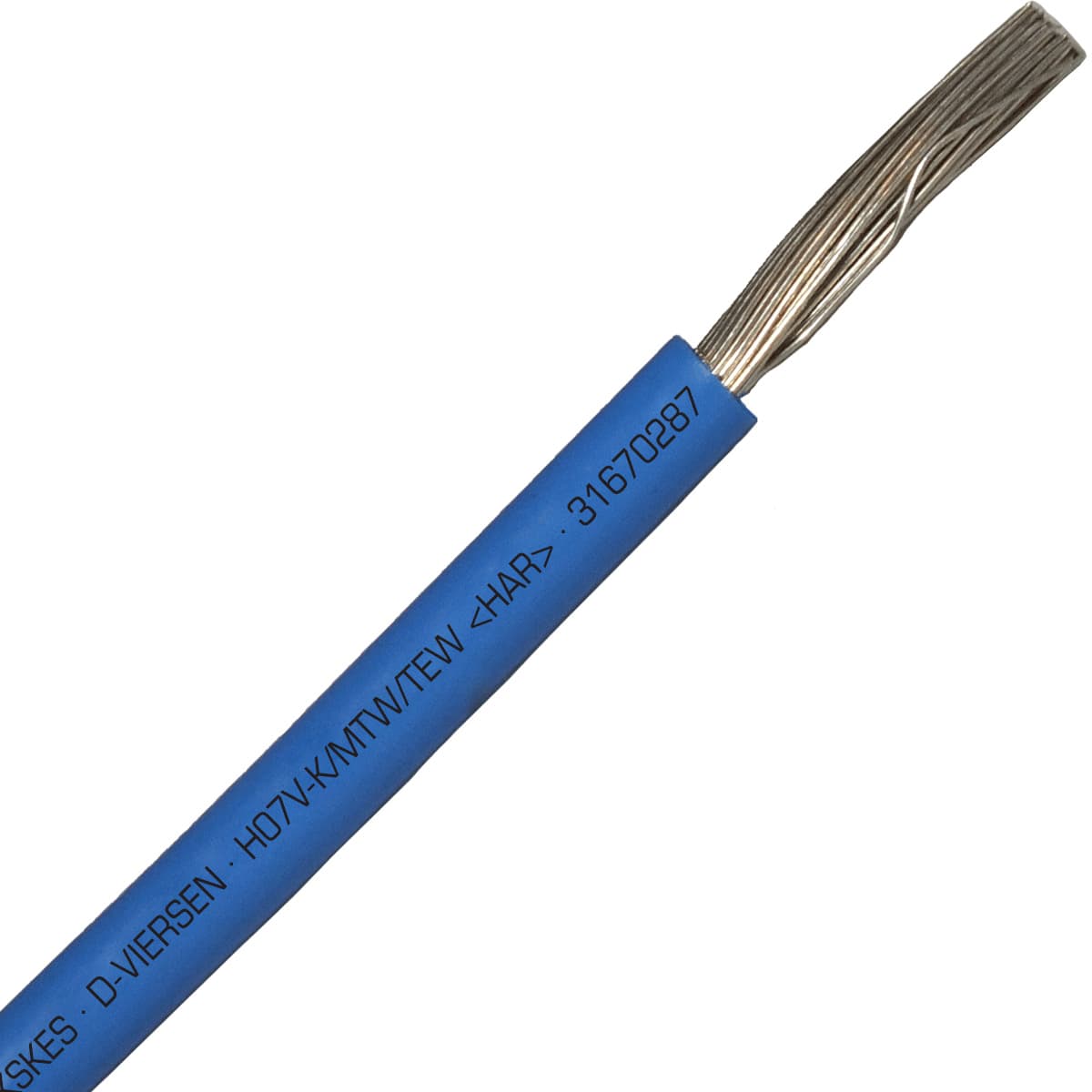
Hook-Up Wire
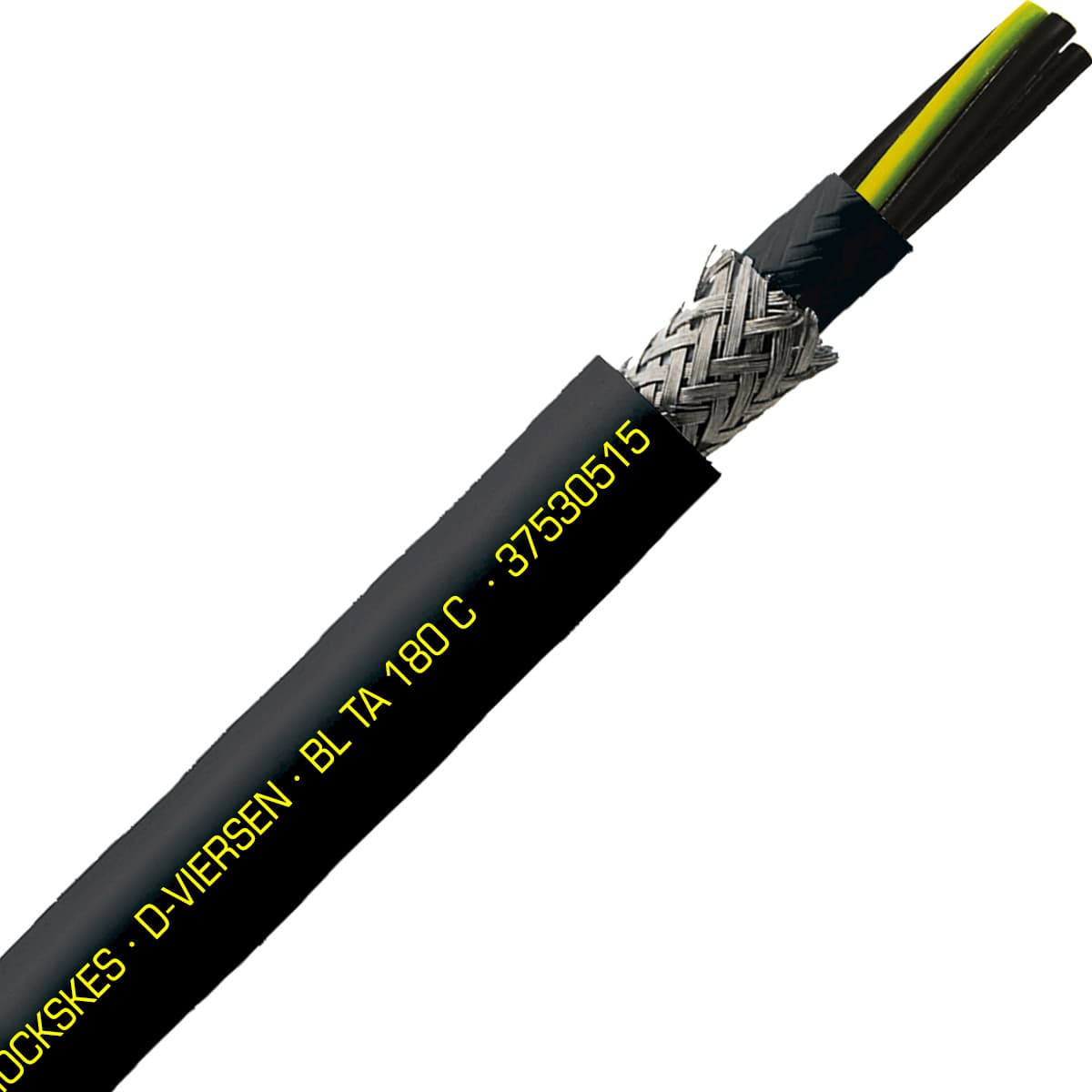
ETFE, FEP, PFA Cables
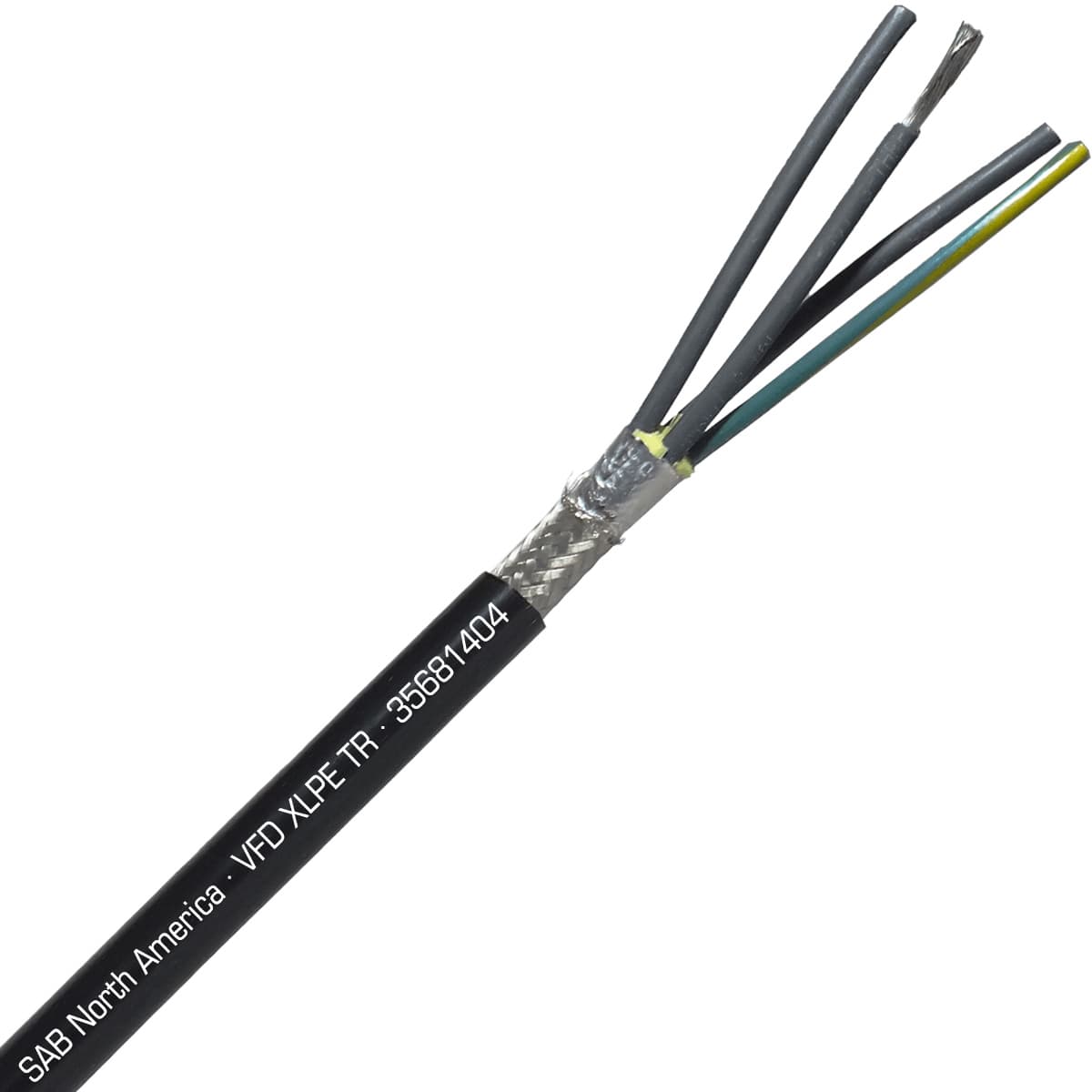
VFD Cables
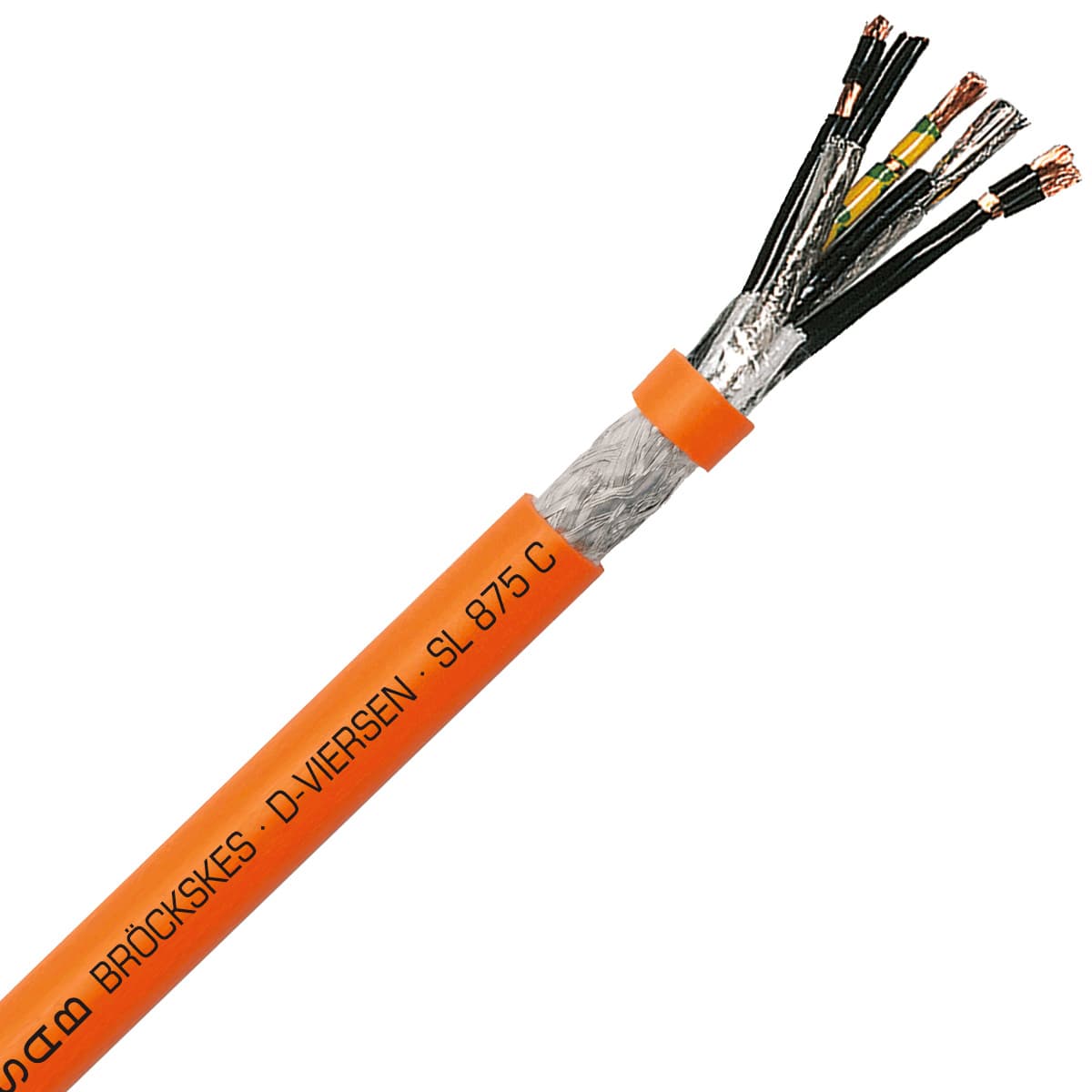
Servo Motor Cables
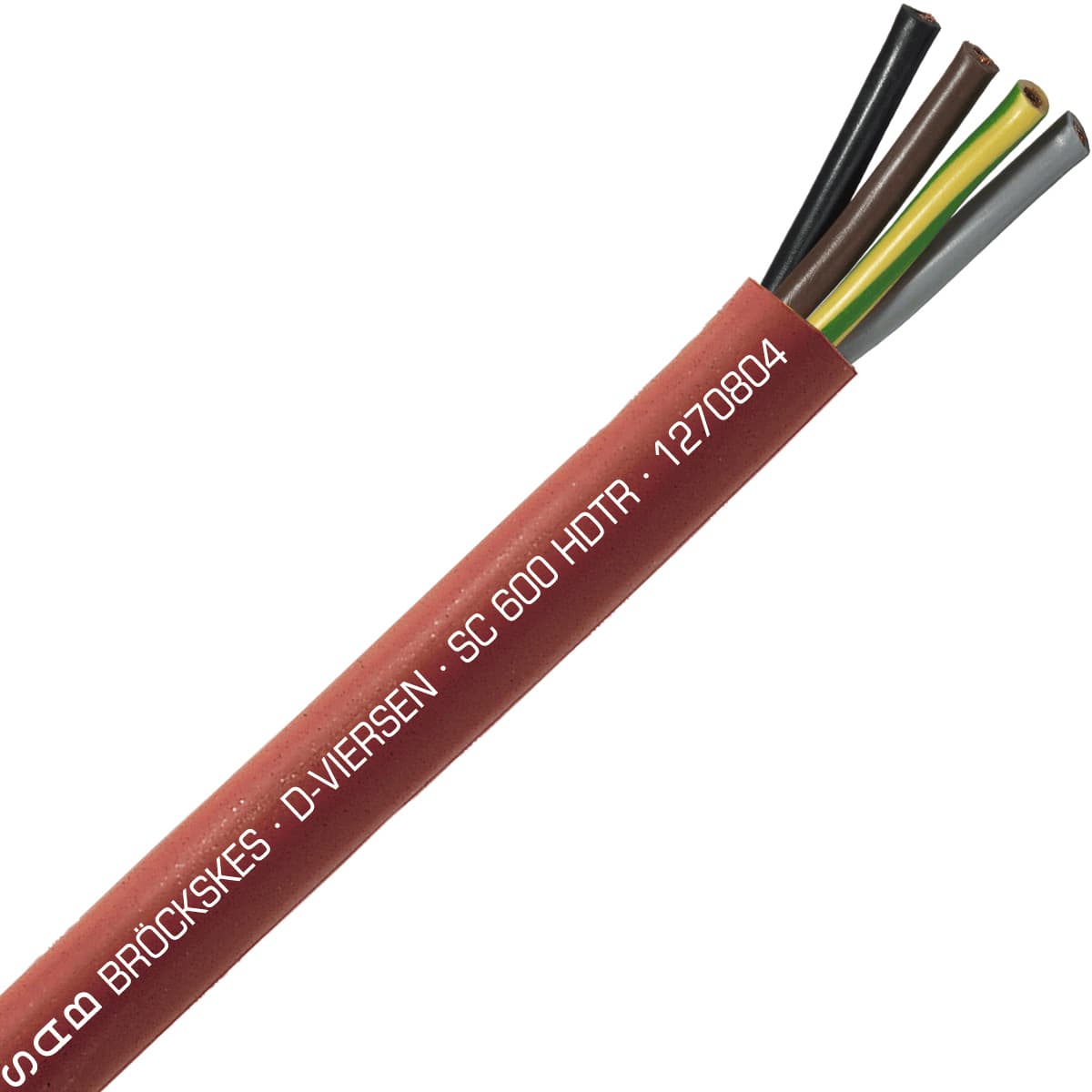
High Temperature Cables
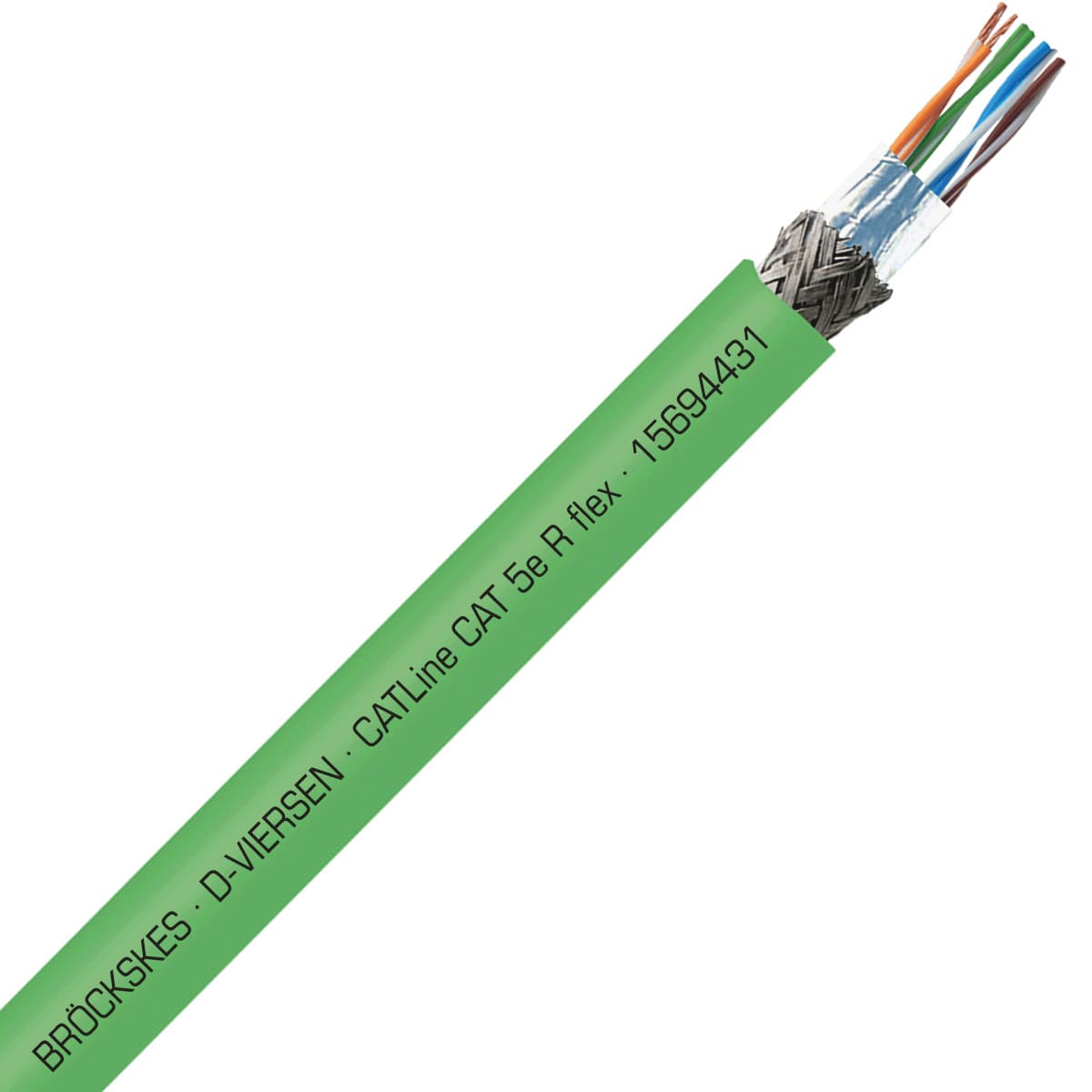
Ethernet Cables
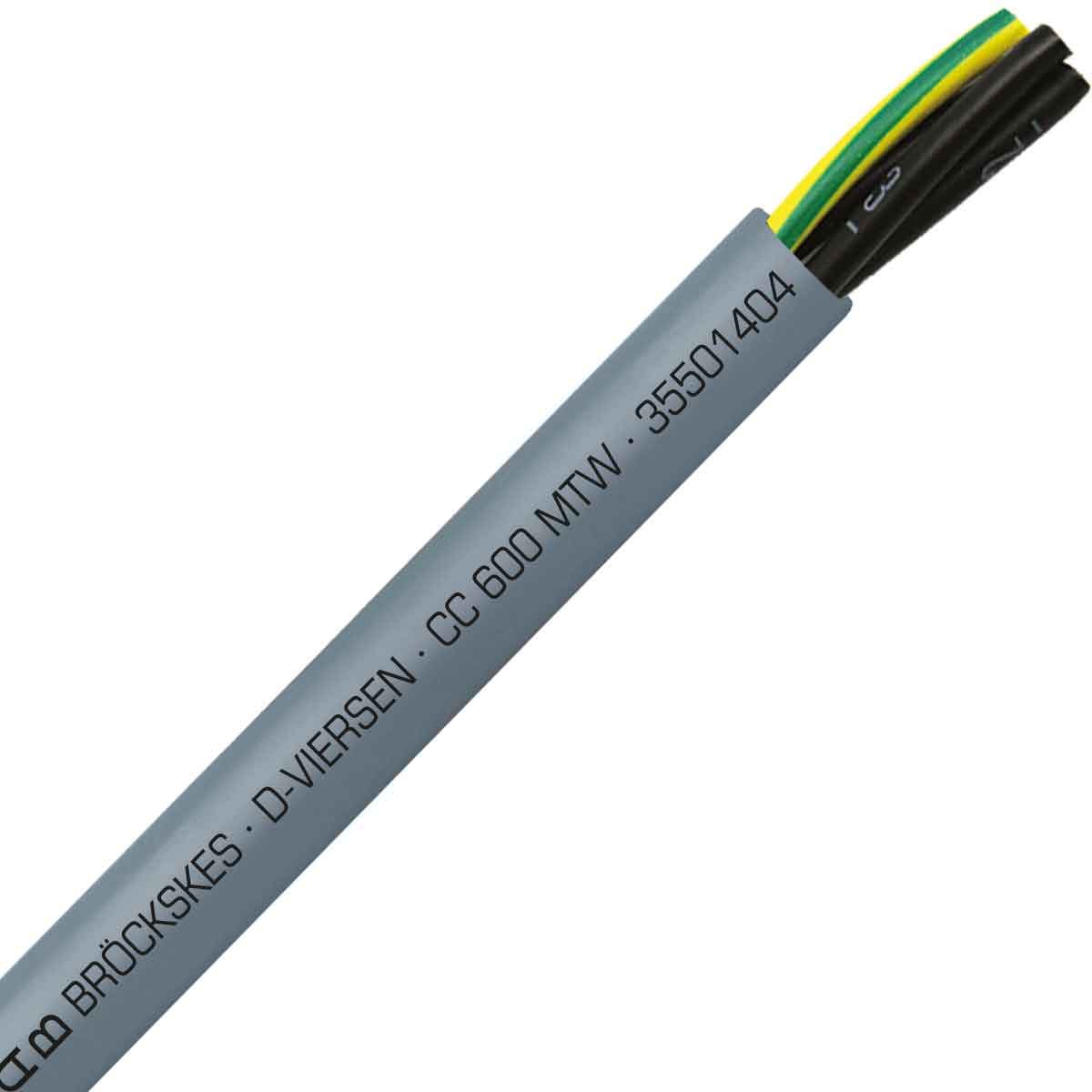
Multiconductor Cables
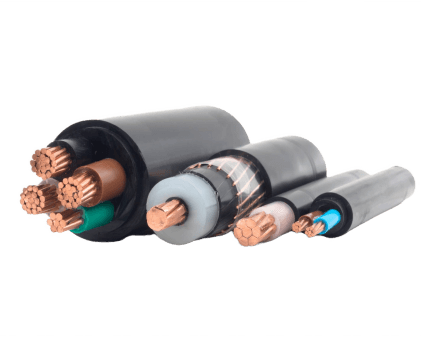
Power Cables
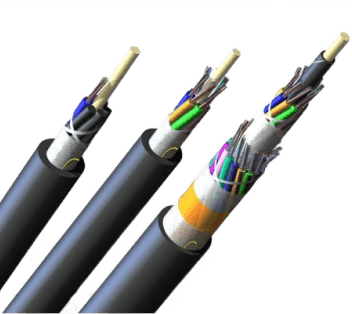
Fiber Optic Cables
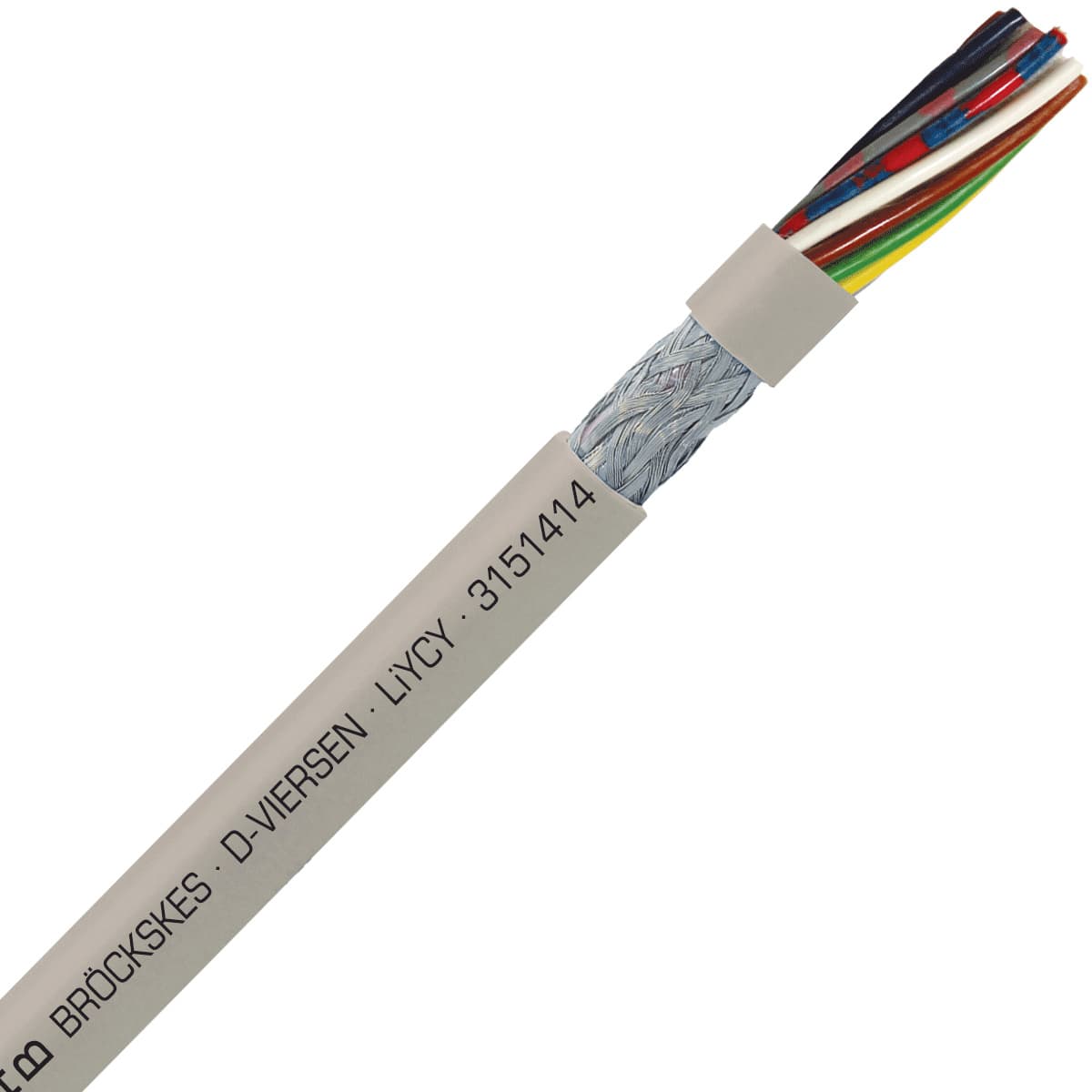
Data and Sensor Cables

Cable Accessories & Components
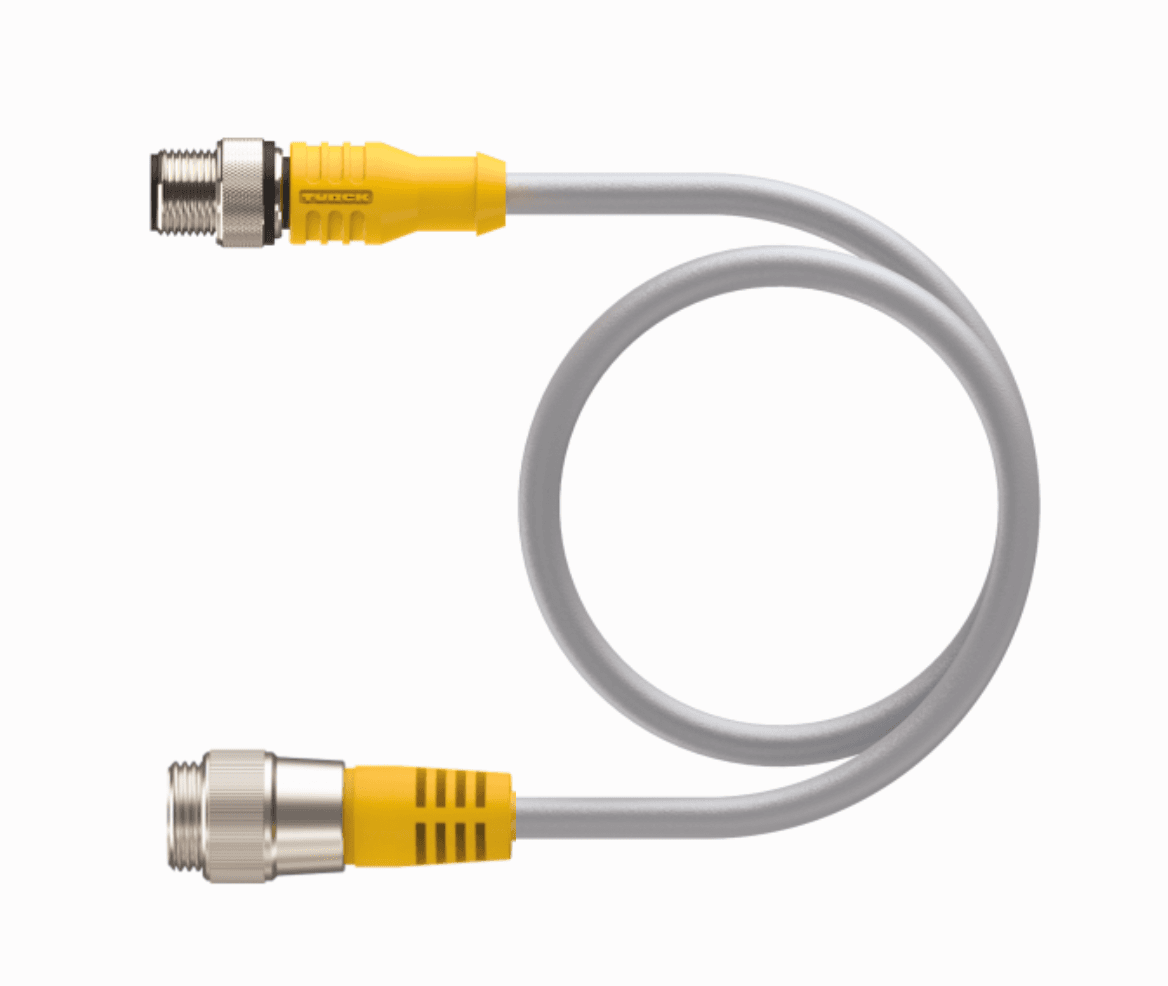
Cordsets
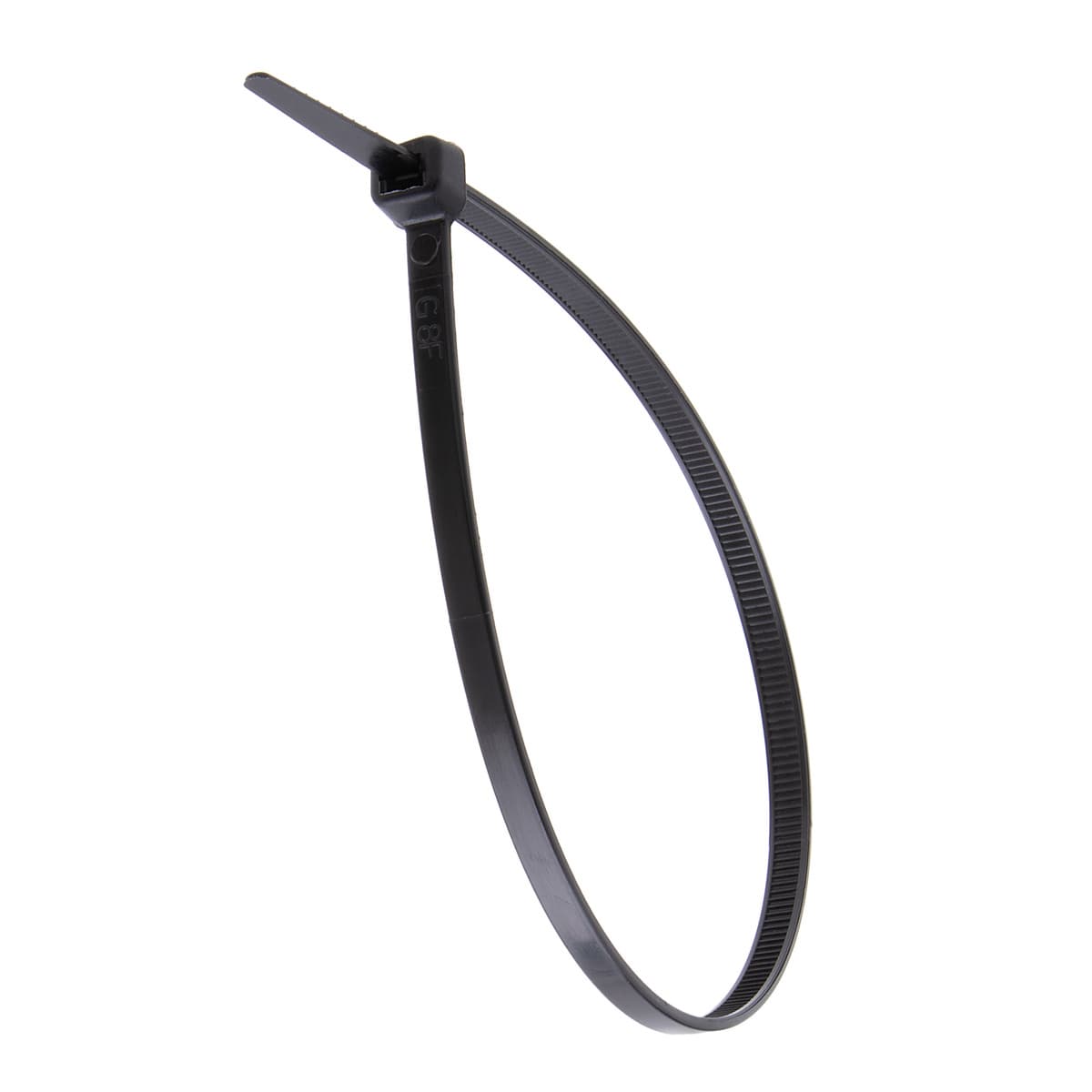
Cable Ties

Wire Management Components
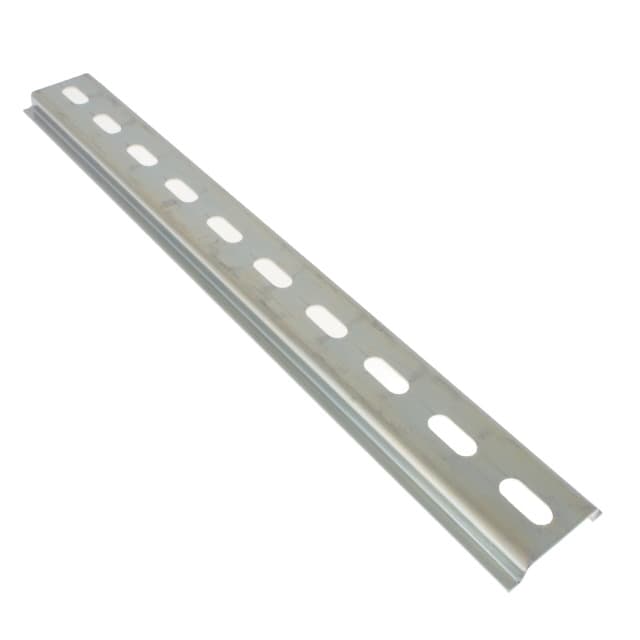
Din Rails
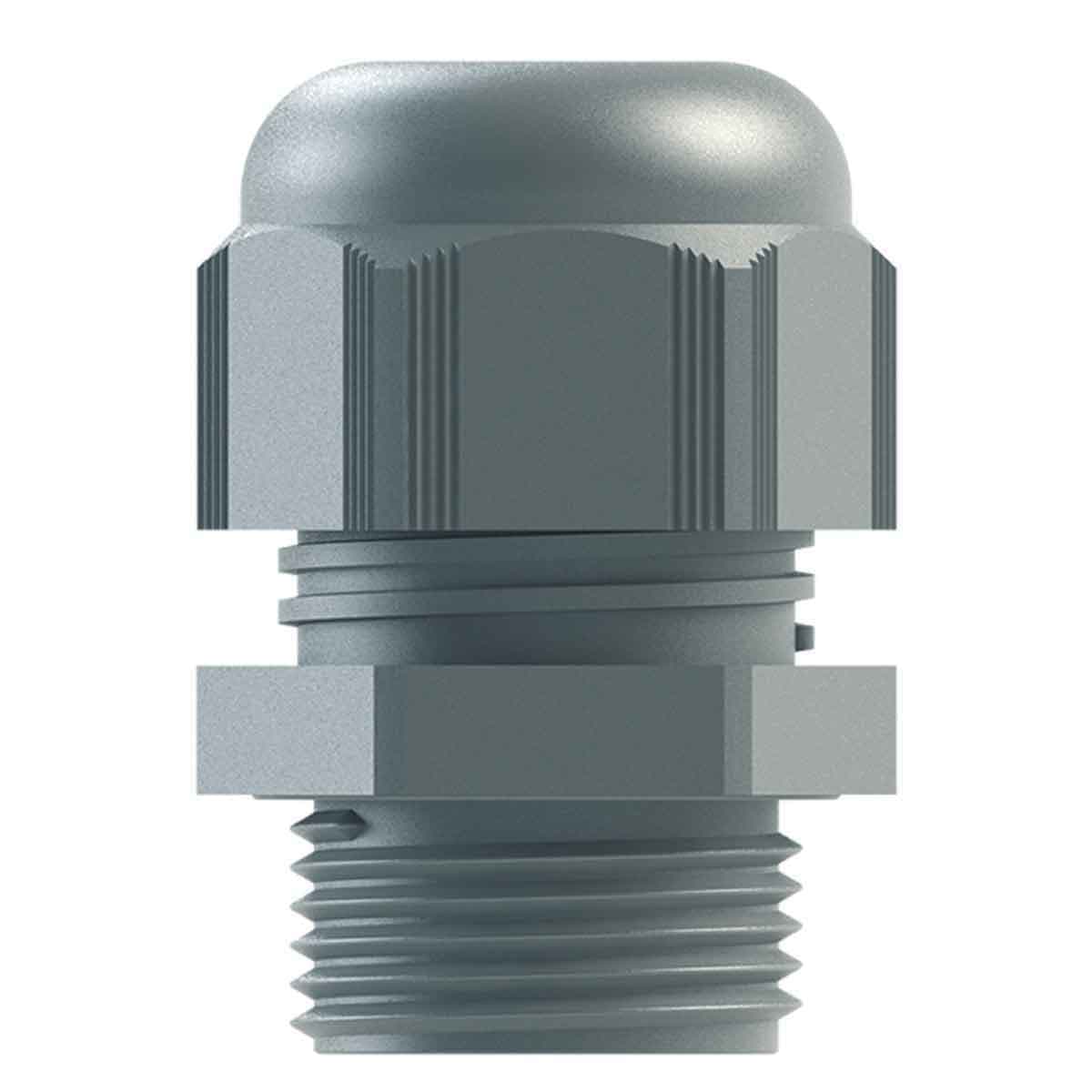
Cord Grips
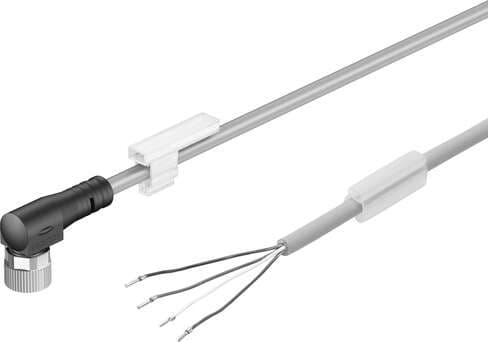
Cable Assemblies
Wire & Cable Labeling
Electrical Wires & Cables
General Guide & Overview
Electrical wire and cable play a crucial role in providing electrical connectivity for switches, outlets, appliances, and more. They are essential components of any electrical system, ensuring the safe operation of various electrical devices. It is important to understand the different types of electrical wires and cables available to choose the right ones for your needs.
Whether you are a homeowner, a contractor, or an electrician, this guide will provide you with an overview of electrical wires and cables, their types, and their applications. From residential wiring to commercial projects, we will explore the diverse range of wiring systems that exist.
Understanding electrical wires and cables is of paramount importance to ensure compliance with safety regulations, such as the OSHA safety standards and the National Electric Code® (NEC®). These regulations set the guidelines for the installation and design of electrical wiring to guarantee the safety of users.
Join us as we delve into the world of electrical wires and cables, exploring the various types available and their applications in different settings. From different wire sizes and conductors to specific voltage ratings, we will cover it all.
So, whether you are looking to understand the different types of electrical wires or seeking guidance on selecting the right cables for your project, this guide is here to provide you with the necessary information. Let's get started on unraveling the mysteries of electrical wires and cables!
Wire Sizes, Conductors, and Voltage Ratings
When it comes to electrical wiring, understanding wire sizes, conductors, and voltage ratings is crucial for ensuring safe and efficient electrical installations. The size of electrical wire is measured using gauge, which is determined by the American Wire Gauge (AWG) standards for common electrical wiring.
The AWG specifies the physical size of the wire, with higher gauge numbers indicating thinner wires. For example, a wire with a gauge of 12 is thicker than a wire with a gauge of 18. The wire size affects the amount of electrical current that can pass through it, with lower gauge numbers having a higher amp capacity.
Choosing the right wire size is important to meet the current-carrying capacity needed for a specific electrical application. Using a wire with a gauge that is too small can result in overheating and potential fire hazards. On the other hand, using a wire with a gauge that is too large may be unnecessarily expensive and difficult to work with.
Wire Conductor Materials
Wire conductors are typically made of copper or aluminum. Copper is widely used in residential and commercial applications due to its excellent conductivity and corrosion resistance. It is also more flexible and easier to work with compared to aluminum. Aluminum conductors, on the other hand, are commonly used in larger industrial and utility applications due to their lower cost and lighter weight.
Wire Voltage Ratings
Wire voltage ratings indicate the maximum voltage that the wire can safely handle. It is important to choose wires with the appropriate voltage rating to avoid voltage drop, overheating, and potential electrical hazards. Common voltage ratings for electrical wires include 300V, 600V, and 1000V.
Wire Size Chart
Consulting a wire size chart can help determine the appropriate wire size for a specific electrical application. These charts provide information about wire gauge, amp capacity, and recommended applications. It is essential to refer to the National Electric Code (NEC) or consult with a qualified electrician to ensure compliance with local electrical codes and regulations.
Types of Electrical Cables and Wiring Systems
When it comes to electrical installations, there is a wide range of cables and wiring systems available to suit various applications. Whether you are working on a residential project or a commercial venture, understanding the different types of electrical cables is essential for a successful installation.
For residential and retail projects, building wire and cable, also known as branch circuit wiring, is commonly used. These cables are specifically designed to meet the electrical demands of homes and small businesses. To simplify installation and maintenance, building wires are often color-coded according to guidelines set by the National Electrical Manufacturers Association (NEMA). This color coding helps electricians identify the function and purpose of each wire, ensuring accurate connections and proper electrical flow throughout the building.
In addition to building wire and cable, there are specialized wiring systems for specific purposes. Data networking systems, for example, require cables capable of transmitting data reliably and efficiently. Coaxial cables are commonly used for this purpose, ensuring stable connections and high-speed data transmission. Speaker wire, on the other hand, is designed to deliver clear and balanced audio signals, making it perfect for home theater setups and professional audio systems.
Whether you are involved in residential wiring or commercial installations, understanding the different types of electrical cables and wiring systems is crucial. By selecting the right cables for your project, you can ensure safe and efficient electrical connectivity throughout the building, promoting longevity and reliability.
FAQ
Electrical wires and cables are used to provide electrical connectivity between switches, outlets, appliances, and more in residential, commercial, and industrial settings.
The installation and design of electrical wires and cables are regulated by OSHA safety standards and the National Electric Code® (NEC®) to ensure safe operation and compliance with electrical safety guidelines.
Electrical wire sizes are measured using gauge, and the physical size of the wire is determined by the American Wire Gauge (AWG) standards. Higher gauge numbers indicate thinner wires, while lower gauge numbers have a higher amp capacity.
There are various types of electrical cables and wiring systems used in different applications, including building and house wire, which are commonly used for residential and retail projects. These wires are often color-coded for easy installation and maintenance according to NEMA guidelines.
Examples of electrical cables and wiring systems include data networking systems, coaxial cables used for TV and internet connections, and speaker wires for audio systems.